
Procurement Tips for Rubber Expansion Joints & Bellows
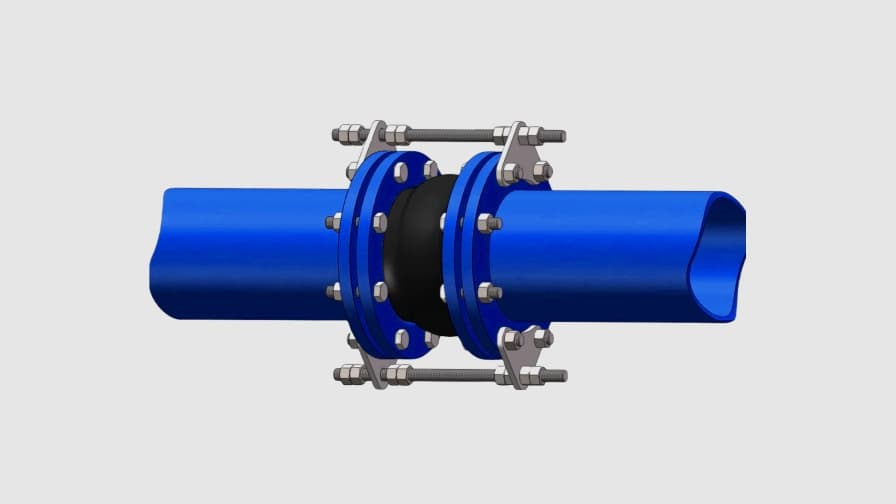
Procurement Tips for Rubber Expansion Joints & Bellows
Introduction
Rubber expansion joints and bellows are critical in pipelines, absorbing vibration, compensating for thermal expansion, and ensuring smooth operation. However, procurement teams often face challenges—mis-specification, vendor mismatch, or delays in delivery. At SHROFF Process Products, we've compiled practical tips to help buyers, engineers, and tender managers make informed decisions when sourcing Bhartiflex rubber expansion joints and bellows.
Key Procurement Tips
1. Define Application Clearly
- Specify whether the joint is for water, steam, chemicals, or marine service.
- Mention operating temperature, pressure, and movement requirements.
- This ensures the right elastomer (EPDM, Neoprene, Nitrile, Viton) is selected.
2. Check Standards & Compliance
- Always reference FSA, BS, ASTM, DIN, or IS standards in tender documents.
- For large-diameter pipelines, specify hand-built bellows with control units.
- Ensure vendor provides MTC (Material Test Certificates) and hydrostatic test reports.
3. Verify Dimensions & Drilling
- Confirm OD, PCD, bolt hole count, and thickness with vendor drawings.
- Avoid confusion between BS 10 Table D/E/F or ASME B16.47 drilling patterns.
- Request a dimension chart for quick verification during procurement.
4. Evaluate Vendor Capability
- Check if the manufacturer can produce custom hand-built bellows up to 2800 NB.
- Ensure they have in-house testing facilities for burst, fatigue, and thrust load.
- Prefer vendors with proven supply to power plants, steel mills, and chemical industries.
5. Include Control Units in Scope
- Control units prevent over-extension and protect the joint.
- Specify tie rods, limit rods, or hinged units depending on pipeline stress.
- Ask for galvanized or stainless steel rods for corrosive environments.
6. Plan for Logistics & Lead Time
- Large hand-built bellows may require 4–6 weeks manufacturing time.
- Factor in transportation and handling for oversized components.
- Align procurement schedules with project commissioning timelines.
Conclusion
Procurement of rubber expansion joints and bellows is not just about price—it's about reliability, compatibility, and safety. By following these tips, procurement teams can ensure they receive the right product, avoid costly mismatches, and maintain long-term vendor relationships. With Bhartiflex by SHROFF Process Products, buyers gain access to custom-engineered solutions, hand-built bellows, and tested control units trusted across India's power, steel, and chemical industries.
Related Articles
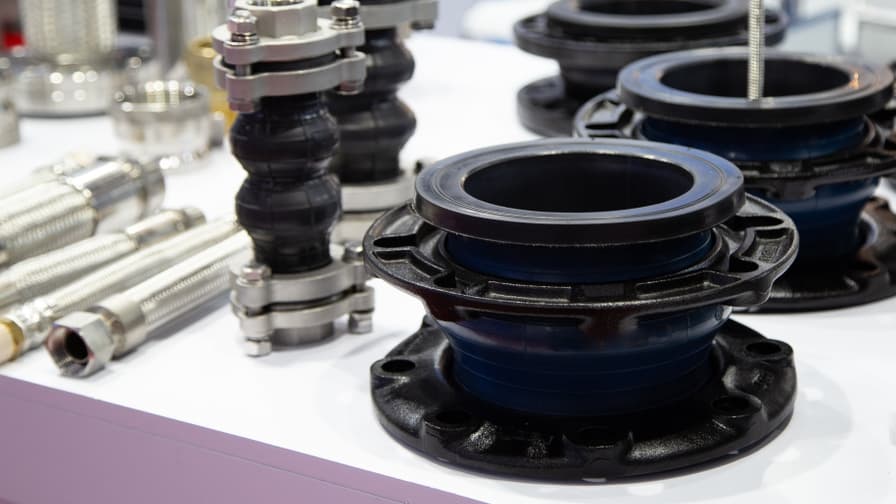
Rubber Expansion Joints & Bellows: The Bhartiflex Advantage
Discover how Bhartiflex hand-built rubber expansion joints and bellows deliver unmatched performance in heavy-duty industrial applications across power plants, steel mills, and chemical industries.
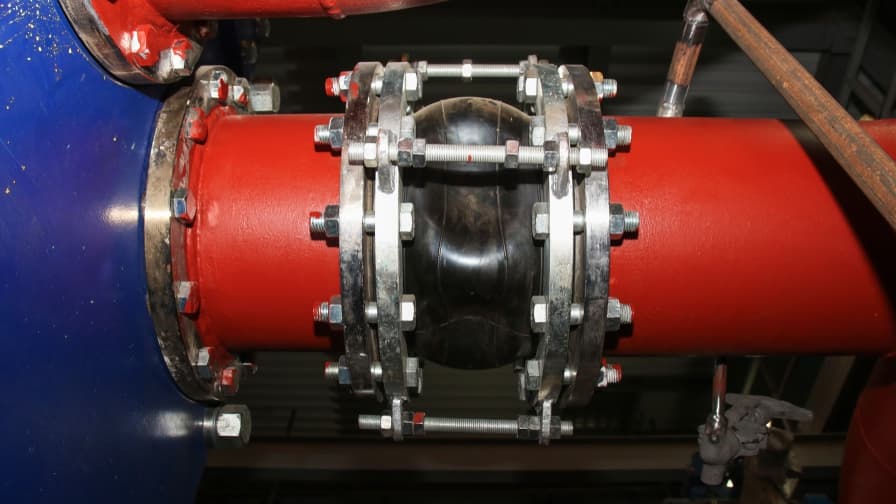
Control Units for Rubber Expansion Joints – Design, Selection & Advantages
Learn how control units protect rubber expansion joints from over-movement, ensuring safety and extending service life in high-stress industrial applications.
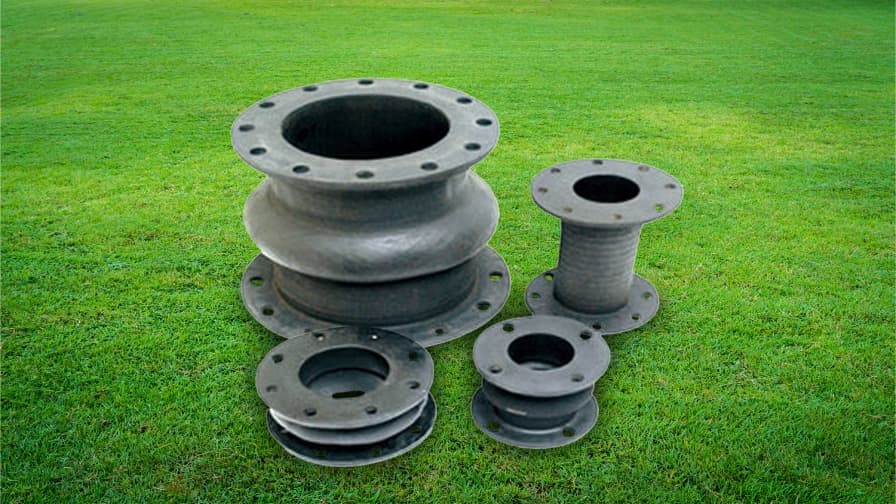
Selecting the Right Rubber for Expansion Bellows – The Bhartiflex Approach
Discover how proper rubber material selection—from EPDM to Neoprene to Nitrile—ensures optimal performance, durability, and chemical compatibility for your expansion bellows.